The Psychology of Casino Design
The design of casinos is meticulously crafted with a deep understanding of psychology. Various elements, from the layout to the colors used, are purposefully selected to create an environment that entices players to stay longer. For those interested in exploring the impact of such designs, atphealthsummit.com offers insights into how warm lighting, bright colors, and eye-catching decorations can create a sense of euphoria, making visitors feel drawn into the experience. This strategic ambiance is not just for aesthetics; it stimulates and prolongs excitement, encouraging individuals to keep playing.
Additionally, the layout of a casino is often circular, allowing for maximum visibility of games while minimizing exits. This design encourages players to feel enveloped in the gaming environment, further entrenching their focus on the activities at hand. The lack of natural light and clocks also contributes to disorientation, leading patrons to lose track of time. By utilizing these psychological tactics, casinos effectively enhance the likelihood of extended gameplay.
Moreover, soundscapes within casinos contribute significantly to the experience. The sounds of jingling coins, celebratory music, and the chatter of excited players create an immersive atmosphere. These auditory signals can trigger the release of dopamine, reinforcing behaviors associated with gambling. When players hear a jackpot, the sound serves as a potent stimulus that can prompt them to continue playing, as they subconsciously associate that sound with potential future rewards.
The Role of Accessibility and Convenience
Modern casinos are designed with accessibility and convenience in mind, ensuring that everything a player might need is within arm’s reach. With a plethora of gaming options, food and beverage services, and even accommodations, there’s often no need for players to leave the premises. This accessibility can lead to longer gaming sessions, as the temptation to continue playing remains high when everything is readily available.
Additionally, many casinos offer complimentary services such as drinks and food to keep players satisfied without needing to step away. This strategy not only enhances the overall experience but also increases the likelihood that players will continue to engage in gaming activities. The idea is to remove any discomfort or inconvenience that would encourage players to leave, keeping them in the gaming environment for longer durations.
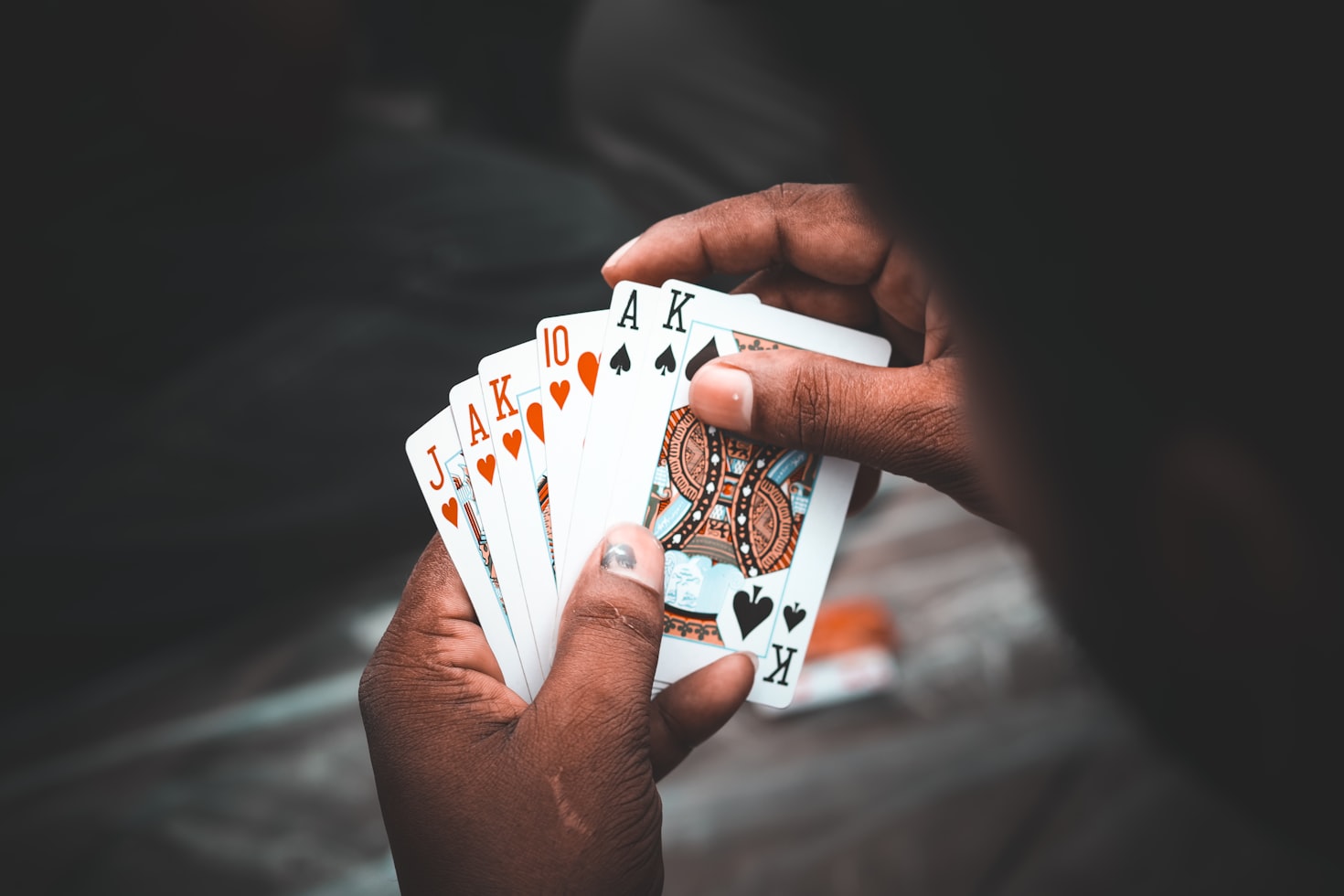
Furthermore, the implementation of loyalty programs and promotional offers acts as an incentive for players to remain engaged. Many casinos use targeted marketing strategies to reward frequent players with bonuses, free play, and exclusive events. This not only fosters a sense of belonging and community but also encourages patrons to spend more time at the casino, perpetuating the cycle of play.
The Impact of Game Selection and Odds
Game selection is a critical aspect of casino design that influences how long players stay engaged. Casinos offer a variety of games ranging from slots to table games, each designed to cater to different preferences and skill levels. For instance, slot machines are particularly popular for their ease of play and potential for immediate rewards. The fast-paced nature of these games can lead to a quick succession of bets, enticing players to continue without a break.
Moreover, the odds of winning or losing play a significant role in player retention. Many players are often not fully aware of the house edge associated with different games, leading them to believe they have a better chance of winning than they may actually possess. This misconception fuels a desire to keep playing, as players often hold on to the hope of a significant win that could change their fortunes.
Casino operators also frequently adjust the odds to maintain player interest. By strategically placing high payout machines in visible locations, casinos create a perception of better odds, encouraging players to spend more time trying their luck. The thrill of potentially hitting the jackpot keeps excitement levels high, driving players to continue their gaming journey in hopes of a favorable outcome.
The Social Aspect of Gambling
The social environment within a casino is another crucial factor in determining how long players stay engaged. Casinos are designed to facilitate interaction between guests, from group games to social lounges, creating an inviting atmosphere for camaraderie. This social interaction not only enhances the overall experience but also encourages individuals to remain in the casino, drawn by the excitement of sharing moments with others.

Casinos often host events and tournaments, providing opportunities for players to engage with one another, further fostering community ties. Competitive gaming can heighten excitement levels, encouraging participants to stay longer to either participate or watch. These social dynamics play a vital role in extending the duration of play, as the enjoyment of companionship often outweighs the desire to leave.
Furthermore, the culture surrounding casinos can contribute to their ability to keep players engaged. In many regions, visiting a casino is seen as a leisure activity, a social event comparable to dining or partying. This cultural perspective encourages longer visits, as players are more inclined to stay and enjoy their time in a lively and interactive environment.
Understanding the Casino Experience
Understanding the psychology and design strategies employed by casinos can help players become more aware of their gaming habits. Recognizing that the environment is crafted to keep individuals engaged can empower players to approach gambling with a more informed mindset. Awareness of the factors that contribute to extended play can lead to better decision-making, allowing individuals to enjoy their experiences without overindulging.
Moreover, players can educate themselves about odds, game mechanics, and responsible gambling practices to enhance their enjoyment. By setting clear limits and understanding when to take breaks, individuals can maximize their enjoyment while minimizing the potential for negative consequences associated with excessive gaming. This understanding cultivates a healthier relationship with gambling, promoting enjoyment rather than dependency.
Ultimately, the casino experience is a blend of entertainment, psychology, and social interaction. By recognizing that casinos are strategically designed to keep players engaged, individuals can better navigate their experiences and make informed choices that prioritize their enjoyment and well-being. The key lies in balancing the thrill of the game with an awareness of the design elements that encourage longer playtimes.